July 21, 2026 | Corporate & CommercialDigital arrest scams are an emerging form of cyber fraud in India, where fraudsters impersonate law enforcement authorities to extort money and sensitive information. This article explains the legal position, immediate response measures, and practical steps businesses and individuals can take to prevent and respond to such scams.
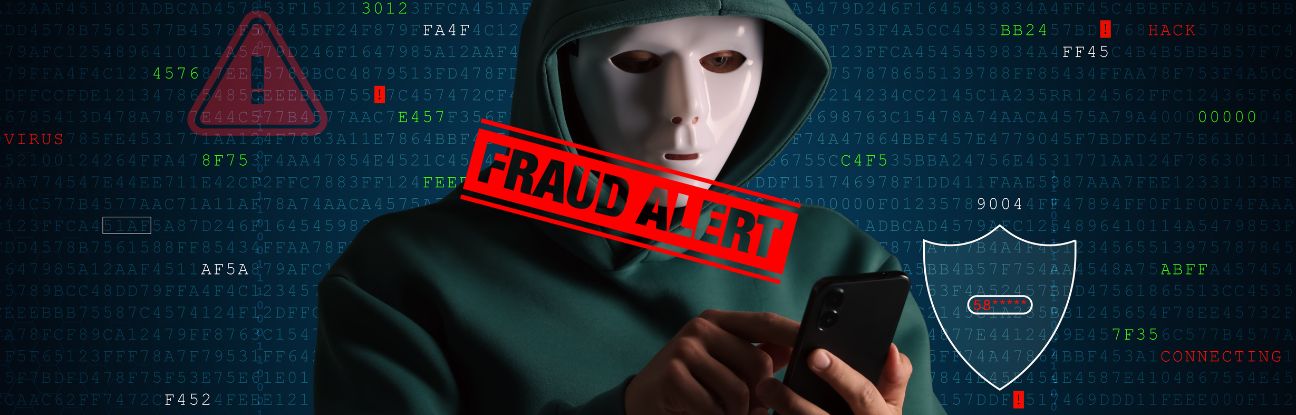

“Digital arrest" is a new form of cyber fraud in which scammers impersonate law enforcement agencies or regulatory authorities and falsely claim that the victim is under investigation. The victim is kept on a phone or video call and, through intimidation and psychological manipulation, is pressured to remain on the line until they transfer money or disclose sensitive personal or financial information under the false pretext that doing so demonstrates cooperation with the investigation.
There is no legal procedure called a “digital arrest” under Indian law; genuine investigative or prosecuting agencies do not demand payments or conduct arrests over WhatsApp, Skype, Zoom or similar platforms.
The majority of cases of fraud are based on the use of fear and in creating a sense of urgency, in order to divert as much money as possible and as quickly as possible. The typical case of fraud that is being described is where an individual is called by someone claiming to be from the police, a government department or other similar authority. They may use a court order, an identity card, or even an email that looks legitimate in order to try to create the illusion that the call is real. Once the initial contact has been made, the victim may be kept for hours in order to convince the victim that they are in serious trouble and that the only way to avoid being arrested, having assets seized, or other serious action taken, is to withdraw cash at a moment’s notice and pay it into a bank account. It is not just lower-level employees that are susceptible to such scams as senior executives and employees with access to sensitive information are also victims of such fraud.
Although “digital arrest” is not a statutory offence, the conduct typically attracts multiple criminal and cyber provisions, including cheating, impersonation, criminal intimidation, forgery, identity theft and unauthorised access to computer resources under the Indian Penal Code and the Information Technology Act. Perpetrators can therefore be investigated and prosecuted under existing laws, and courts have treated these schemes as serious assaults on public trust.
Early action materially improves the chance of recovery and evidence preservation. Victims should:
Check True caller to see the name of the owner of the phone number. There are high chances that the scammer has created a fake profile on True caller. If anything appears suspicious, the person should avoid taking the call.
The first and foremost thing is to check the country code, as many of these calls originate from outside India.
Contact their bank immediately to report the fraud and request urgent transaction?blocking or recall measures.
Lodge a formal police complaint at the nearest cyber police station and notify any affected service providers (courier, telecom, video?call platforms).
Seek prompt legal advice to coordinate with banks and investigators and to prepare evidence for law enforcement.
Recovery is often challenging because fraudsters rapidly “layer” proceeds through multiple intermediary accounts, withdraw funds, or use mule accounts controlled by third parties; some operations involve cross?border elements that complicate tracing and mutual?legal?assistance; and digital evidence can be deleted or devices reset if not preserved quickly. For these reasons, investigators and banks emphasise a short “golden hour” in which swift reporting and account freezing significantly improve outcomes.
Organisations face more than direct financial exposure: employee?level interactions with impostors can lead to disclosure of customer data, financial records, login credentials and other regulated information, creating regulatory, contractual and reputational risk. Boards and compliance teams should therefore treat digital?arrest schemes as a cross?functional governance issue that involves legal, security and HR processes.
Companies can reduce exposure by implementing pragmatic controls:
Regular employee training focused on social engineering, verification of official requests and response checklists.
Clear escalation and incident?reporting protocols that require verification of any law?enforcement approach through official channels.
Technical controls: least?privilege access, multifactor authentication, restrictions on screen?sharing and policies banning unauthorised software.
Trusted contact lists for authenticating agency communications and a dedicated point of contact for law?enforcement liaison.
Boards and compliance teams should treat digital-arrest scams as both a fraud risk and a governance issue because such incidents may also involve confidential data exposure and reputational harm.
Legal counsel can help both individuals and organizations who have been victimized by scammers by outlining immediate steps and then coordinating with relevant banks and law enforcement. Lawyers can assist in drafting and filing the complaints, aid in preserving evidence, and guide the organization through internal investigations as well as compliance-related actions. A legal strategy is crucial in the initial stages in order to avoid errors and to ensure that the greatest amount of can be recovered and enforced as quickly as possible.
India Law Offices advises affected individuals and corporates on immediate response, regulatory engagement, evidence collection and recovery strategy, and on strengthening governance to reduce future risk. We assist with drafting complaints, liaising with investigative authorities, and designing employee awareness and incident?response programmes tailored to the organisation’s size and risk profile.
 Thank you for getting in touch!
 We appreciate you contacting us at India Law Offices. We will review the details that you have submitted and one of our experts will connect with you shortly.
Here are some of the other related articles authored by our experts which might be of interest to you.