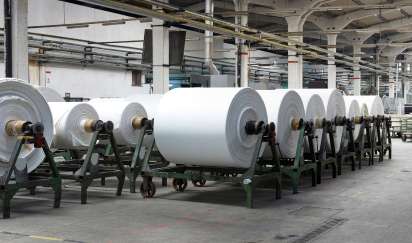
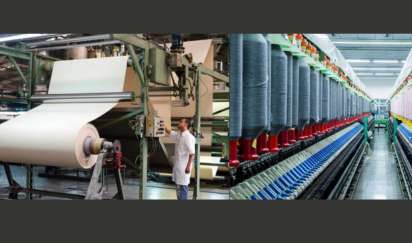
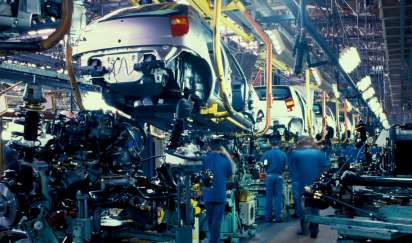
Haryana, located in northern India, is a thriving industrial and manufacturing hub known for its automobile and knowledge industries. It is surrounded by Uttar Pradesh, Punjab, Himachal Pradesh, and Rajasthan, with close proximity to New Delhi. The state has excellent transportation links, including international and civil airports, and a well-connected rail network. Haryana's focus on infrastructure and connectivity has attracted national and global companies, especially in districts like Faridabad and Gurgaon. It is a major exporter of automobiles, textiles, and agro-based products, ranking high in export readiness and logistics ease. With a population of 25.4 million, Haryana has a high literacy rate and a significant working-age population. The state has undergone rapid industrialisation and development, leading to a strong presence of industries and a high per capita income.
Top Industries
- Agriculture and Food Processing - Haryana's agriculture and food processing sectors are key contributors to its economy, despite its small geographic size. With modernized farming practices, the state accounts for a significant portion of India's Basmati rice exports and plays a crucial role in the country's food grain supply. Haryana has embraced advanced irrigation technology and integrated agricultural markets to support the growth of agribusiness. The state has established food parks equipped with state-of-the-art facilities for efficient storage and processing. Haryana's agricultural sector has achieved notable milestones, such as being a major contributor to India's food grain supply and having high per capita milk availability. These achievements reflect the state's commitment to agricultural modernization and food processing development.
- Electronics and IT/ITES - Haryana is the third-largest exporter of software in India, with a strong focus on promoting the Electronics, IT, and ITeS industries. The state government is dedicated to good governance and inclusive growth, implementing strategies to develop human resources, foster research and development, and enhance digital services. Haryana has a high internet usage rate and is home to major IT companies, contributing significantly to the state's GDP and exports. The Communication and Connectivity Infrastructure Policy has improved telecom and connectivity infrastructure, supporting the growth of the IT industry. Gurgaon has emerged as a global hub for business process management. The government prioritizes IT training for its employees, ensuring efficient governance and service delivery. Haryana's thriving IT industry, favourable policies, and robust infrastructure make it a prominent player in the software export market and a top destination for IT investments in India.
- Textile - Haryana is the fourth-largest producer of cotton in India, contributing 6% to the country's total cotton production. The textile sector in Haryana provides employment to around 1 million people and exports readymade garments worth approximately $3 billion annually. Panipat is known as the "city of weavers" and plays a crucial role in producing handloom products. Haryana follows a cluster-based development approach, offering opportunities across the entire textile value chain, including synthetics, specialty fabrics, spinning units, and garment manufacturing. The Integrated Textile Park in Panipat provides investment prospects, and there are opportunities for apparel and garment units near SEZs in Gurgaon and Barhi. Haryana's textile industry extends to technical textiles, allowing for innovation and specialized applications. The sector contributes significantly to the state's economy and employment generation, making Haryana a prominent player in the Indian textile industry.
- Defence and Aerospace - Haryana has a well-established aviation infrastructure with civil airstrips and defence aerodromes located across the state. It benefits from its proximity to major airports in Chandigarh and Delhi, providing excellent connectivity for businesses in the aviation sector. Haryana has plans to develop the Hisar airstrip into an aviation hub, including MRO facilities, FBO operations, and aerospace and defence manufacturing units. The MRO sector, FBO operations, and aerospace manufacturing present significant investment opportunities. Haryana's industrial base and supportive infrastructure make it an attractive destination for aircraft manufacturers. The cargo warehousing sector also holds potential, especially with the upcoming international cargo airport planned in Rewari district. Overall, Haryana's aviation sector offers a range of investment opportunities, supported by its robust infrastructure and strategic location.
- Renewable Energy - Haryana has achieved 100% rural electrification and is focused on increasing the use of solar and biomass energy sources. The state has commissioned several renewable energy projects and has a total capacity of 251.89 MW, with additional projects under execution. A solar park spanning 300 acres has been initiated, along with commercial solar power generation projects in various areas. Haryana is also creating Solar Centres of Excellence to drive innovation in solar energy. The government is collaborating with the irrigation department to set up megawatt-scale solar power projects and facilitating the development of biomass and cogeneration power projects. The state aims to achieve an installed solar power capacity of 3,200 MW by 2021-22 and has targets for small hydropower projects and waste-to-energy capacity. Haryana's efforts demonstrate a commitment to renewable energy and transitioning to a greener and sustainable energy landscape.
- Pharmaceutical and Chemicals - The Government of Haryana has identified the pharmaceutical sector as a focus area for development and plans to establish a specialized industrial zone dedicated to pharmaceutical manufacturing called Pharma Park in Karnal. Haryana's strategic location and presence of major economic corridors enhance its attractiveness for pharmaceutical investments. The government will bear the cost of infrastructure development for the park and provide upgraded state drug testing laboratories to ensure quality and compliance. Collaboration between research organizations, pharmaceutical industry players, and educational institutes will promote innovation and knowledge exchange. The chosen site of Karnal offers excellent connectivity, and common facilities such as a Cluster Laboratory and Effluent Treatment Plant will support the smooth operations of pharmaceutical units. New units in the Pharma Park will be eligible for special incentives, showcasing the government's commitment to fostering growth and creating a conducive business environment. Haryana aims to position itself as a preferred destination for pharmaceutical manufacturing and research activities through these initiatives.
| HARYANA ELECTRIC VEHICLE POLICY 2022 |
Haryana's Electric Vehicle Policy 2022 aims to promote EV manufacturing, establish the state as an EV hub, and encourage EV adoption. The policy includes provisions for EV R&D, talent development, charging infrastructure, and financial incentives for manufacturers and businesses. Gurugram and Faridabad are designated as model cities for EV adoption. The government is actively working on incorporating EV charging provisions in various types of buildings. Financial incentives include capital investment incentives, stamp duty refunds, employment generation subsidies, and SGST reimbursements. The policy comprises 12 schemes covering various aspects of EV promotion. Overall, Haryana is committed to accelerating the transition to electric mobility and promoting sustainable transportation.
Subsidiary Amount for Different Industries - Under the Electric Vehicle Policy, the Haryana government provides the following capital subsidies based on the Fixed Capital Investment (FCI):
- Mega industries: A capital subsidy of 20% of FCI or up to Rs 20 crore, whichever is lower.
- Large industries: A subsidy of 10% of FCI or up to Rs 10 crores.
- Medium industries: A subsidy of 20% of FCI or up to Rs 50 lakhs.
- Small industries: A subsidy of 20%of FCI or up to Rs 40 lakhs.
- Micro industries: A subsidy of 25% of FCI or up to Rs 15 lakhs.
Additionally, units setting up battery disposal facilities will be eligible for a subsidy of 15% of FCI, up to a maximum of Rs 1 crore.
These capital subsidies aim to provide financial support to different categories of industries, encouraging their participation in the electric vehicle ecosystem and promoting the growth of the EV industry in Haryana.
Primary Benefits to Manufacturers - The Electric Vehicle Policy of Haryana offers various incentives and support measures to promote the adoption and manufacturing of electric vehicles (EVs). Here are the key provisions of the policy -
Employment Generation Subsidy: EV companies that employ Haryana residents will receive a subsidy of Rs 48,000 per employee per year for a duration of 10 years.
Fleet Conversion: Haryana State Transport Undertakings aim to convert their entire bus fleet into electric buses, fuel cell vehicles, or other non-fossil-fuel-based technologies by 2030.
Model Electric Mobility Cities: Gurugram and Faridabad will be designated as model Electric Mobility (EM) cities, with a phased approach to achieve 100% e-mobility by promoting EV adoption and establishing charging infrastructure.
Charging Infrastructure Mandate: The Department of Town and Country Planning (TCPO) will make it mandatory to include provisions for EV charging facilities in various locations such as residential buildings, commercial buildings, malls, metro stations, and more, to facilitate the overall ecosystem for EV uptake.
Conversion Support: Existing manufacturing units can receive one-time support of 25% of the book value (up to Rs 2 crore) to facilitate a complete transition into EV manufacturing. This support is available for micro, small, medium, and large units.
Direct Benefit Transfer: Early adopters of EVs or hybrid electric vehicles in Haryana can avail themselves of direct benefit transfers of up to Rs 10 lakh.
Registration Fee and Motor Vehicle Tax: Buyers of EVs will be eligible for relaxation in the registration fee and discounts on motor vehicle tax.
R&D Incentives: The policy encourages research and development in educational and research institutes. They can set up dedicated R&D centres with support from the government.
Grants for R&D: Grants of up to 50% of the project cost, up to Rs 1 crore, will be provided for developing new electric charging technology, and up to Rs 5 crore for developing new electric vehicle technology. Additionally, institutes conducting research on non-fossil-fuel-based mobility solutions will receive a grant of Rs 5 crore.
Infrastructure Subsidy: The first 20 colleges, Industrial Training Institutes, and polytechnics that set up infrastructure related to EV research and development will receive a one-time subsidy of Rs 25 lakh.
Centre of Excellence: Government organizations, public sector units (PSUs), and private companies are encouraged to establish Centers of Excellence (CoEs) related to EVs. These CoEs will be incentivized with a 50% grant of the project cost, up to Rs 5 crore. |
Haryana Aatmanirbhar Textile Policy 2022-25
The Haryana government has approved the AatmaNirbhar Textile Policy 2022-25 to attract investments and create jobs in the textile sector. The policy aims to promote value-added textile activities, increase production of man-made fibers, and encourage circular economy practices. It offers incentives for backward integration, weaving, knitting, processing, ready-made garments, and technical textiles. The policy emphasizes value addition, employment generation, and productivity enhancement, following the "5F" approach. It aims to attract Rs 4,000 crore in investments and generate 20,000 new jobs.
The policy focuses on sustainable growth, innovation, clean technologies, skilled workforce development, and export promotion. Overall, it aims to strengthen the textile sector and contribute to the state's textile industry.
Haryana State Data Centre Policy 2022
The Haryana government has introduced a policy to attract global entrepreneurs and establish new data centres in the state. The policy offers incentives such as tax exemptions and subsidies to data centres consuming 1 MW or more of electricity. It recognizes data centre infrastructure under the building code, providing relaxation in criteria and design. Data centres are classified as a separate industry and an essential service, ensuring support and priority. The policy emphasizes efficient processes and expedited approvals. The goal is to attract investment, position Haryana as a preferred data centre destination, and harness the economic potential of the industry.
Best Locations To Set Up Business in Haryana
- Gurugram: Financial and tech hub with multinational corporations and start-ups.
- Faridabad: Strong manufacturing sector, well-developed industrial infrastructure.
- Panchkula: Growing IT sector, strategic location near Chandigarh.
- Manesar: Major industrial hub, focus on automobile manufacturing.
- Karnal: Emerging business destination, favourable investment policies, agricultural activities.
- Ambala: Strong industrial base, including defence and aerospace sectors.
- Sonipat: Educational institutions, growing industrial sector, skilled labour.
- Yamunanagar: Plywood and paper industries, access to raw materials.
- Panipat: Textile and handloom industry, skilled workforce, access to raw materials.
- Rohtak: Educational and healthcare hub, agro-processing, manufacturing, pharmaceuticals.
- Bhiwani: Textile and garment manufacturing industry, access to skilled labour.
- Hisar: Agricultural and educational centre, diverse industrial sector, good connectivity.
- Rewari: Industrial growth, manufacturing, and automobile industries, strategic location.
- Kurukshetra: Historically significant city, agro-based industries, manufacturing, education.
- Jind: Agricultural activities, emerging industrial hub, agro-processing, manufacturing.
- Kaithal: Upcoming industrial centre, textile, agro-processing, automobile sectors.
Business Clusters in Haryana
Haryana has developed specific business clusters in various sectors to promote industry growth and create a conducive environment for businesses. Here are some notable business clusters in Haryana-
- IT Cluster: Gurugram, Faridabad, and Panchkula are established IT parks and technology hubs attracting IT companies and fostering innovation.
- Auto and Manufacturing Cluster: Manesar-Bawal belt is a major automotive hub with numerous manufacturing units.
- Textile and Garment Cluster: Panipat is known for its textile, handloom, home furnishing, and carpet industries.
- Agro-based Industries Cluster: Karnal and Yamunanagar have a concentration of food processing and agricultural machinery manufacturing.
- Pharma and Healthcare Cluster: Karnal and Bhiwani have pharmaceutical clusters focusing on manufacturing medicines and medical devices.
- Education and Research Cluster: Rohtak, Kurukshetra, and Ambala have a concentration of educational institutions and research facilities.
- Food Processing Cluster: Sonipat and Ambala have a presence of food processing units specializing in agricultural produce.
- Defence and Aerospace Cluster: Ambala and Panchkula cater to the manufacturing and maintenance of defence equipment and aerospace components.
- Leather and Footwear Cluster: Karnal and Faridabad are major hubs for leather goods and footwear manufacturing.
- Electronics and Hardware Cluster: Gurugram and Faridabad attract electronic component manufacturers and related businesses.
- Packaging and Printing Cluster: Kundli and Faridabad cater to packaging solutions and printing services.
- Logistics and Warehousing Cluster: Gurugram, Sonipat, and Panipat are hubs for logistics, warehousing, and supply chain management.
- Renewable Energy Cluster: Haryana has clusters focused on solar power, wind energy, and biomass-based energy projects.
- Biotechnology and Life Sciences Cluster: Manesar, Faridabad, and Gurugram serve as clusters for biotech research and manufacturing.
- Gems and Jewellery Cluster: Panchkula and Gurugram have clusters for the manufacturing and trading of gems and jewellery.
- Chemicals and Pharmaceuticals Cluster: Sonepat, Panipat, and Bhiwadi have a significant presence of chemical and pharmaceutical companies.
Tax Benefits, Incentives and Subsidies
Haryana offers various tax benefits, incentives, and subsidies to promote business growth and investment. Here are some of the key benefits available:
- GST Subsidy: Enterprises can avail subsidy on net SGST paid for a specified period.
- Capital Subsidy: Varies based on industry category and can be up to 20% of FCI or Rs. 20 crore for mega industries.
- Interest Subsidy: MSMEs can get a 6% interest subsidy on term loans for a specified period.
- Stamp Duty Exemption: 100% refund of stamp duty on land purchase or lease in designated industrial areas.
- Electricity Duty Exemption: 100% exemption from electricity duty for new enterprises in specific industrial areas.
- Employment Generation Subsidy: Subsidy per employee per year to support employment generation, amount varies by industry category.
- Infrastructure Development Incentives: Incentives for infrastructure development, including land cost reimbursement and support for common facilities.
- Export Promotion: Assistance in certifications, trade fair participation, and access to export promotion councils.
Haryana is a promising destination for investment and business expansion with its strong economy, strategic location, and developed infrastructure. The state offers diverse opportunities in sectors like agriculture, manufacturing, IT, textiles, and pharmaceuticals. Government policies provide incentives, subsidies, and infrastructure support for business growth. Haryana's skilled workforce, educational institutions, and focus on R&D contribute to a favourable business environment. Proximity to transportation hubs and efficient logistics enhance market access. However, understanding the competitive landscape, local preferences, and regulations is crucial for success. Engaging local partners and complying with legal requirements are important. Overall, Haryana provides a conducive environment for market entry and growth across sectors.To know more about the Haryana market, request a Free Detailed Report by submitting a query below.

 Thank you for getting in touch!